A starting point
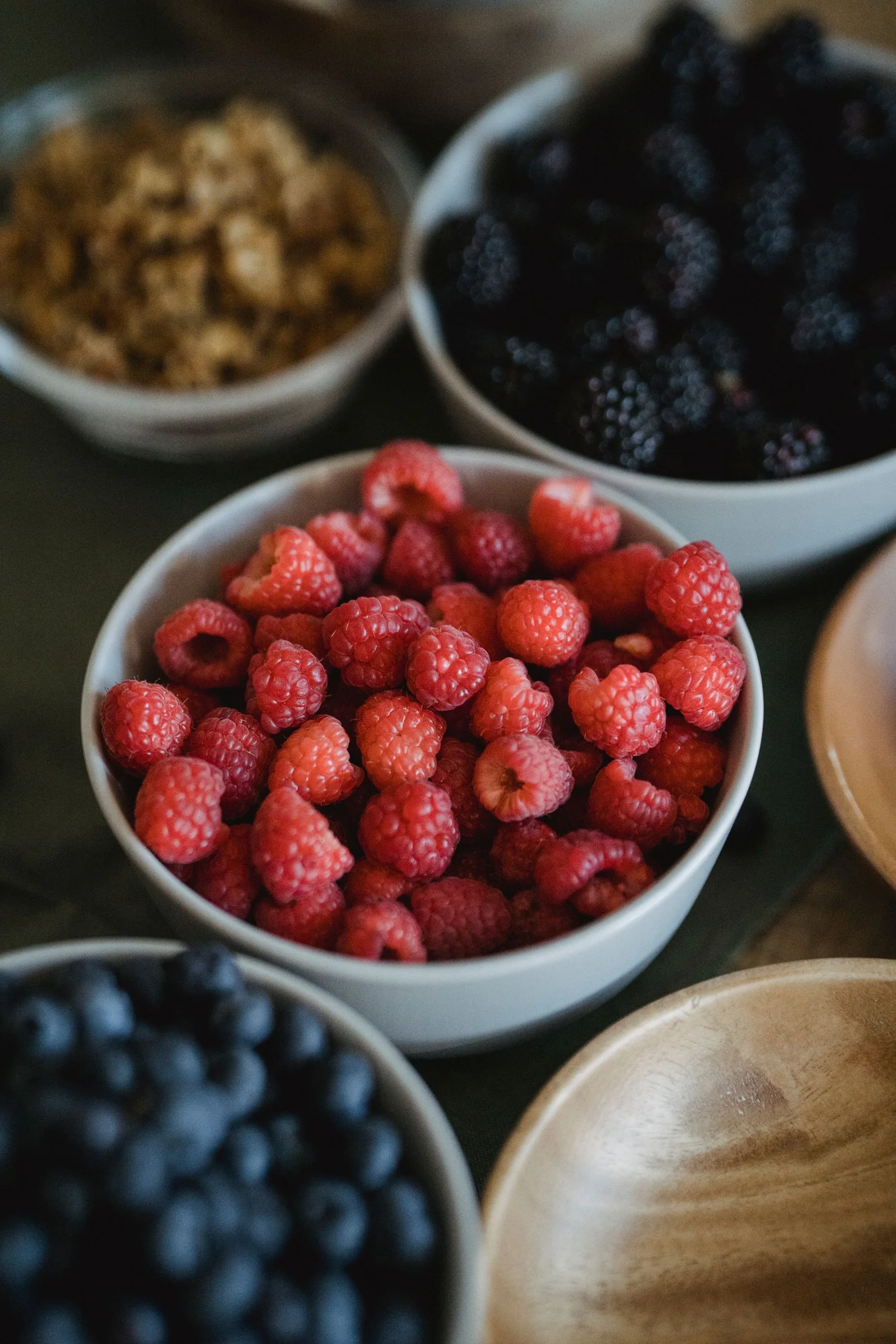
A close view of berries may show surface texture, colour differences and the relationships between individual pieces. Start with one small area rather than immediately labelling the entire collection. Where identification is uncertain, keep the description broad. A bright image cannot by itself confirm the variety, the taste or the condition of fruit you are about to use.
A closer look
Notice whether the photograph gives a meaningful scale. A piece near the camera can appear larger than one farther away. Keep that viewing effect in your notes instead of assigning a precise size. For real produce, check relevant handling information and the actual product rather than using a decorative photograph as a quality assessment.
A practical sequence
- Choose one small visible area.
- Describe texture and arrangement separately.
- Record any uncertainty in identification.
- Avoid an apparent-size measurement without a known scale.
A small example
Two berries may look different because one is in shadow. Record the visible difference while leaving its cause open if you cannot establish it. This makes a later comparison easier and prevents a lighting impression from becoming a claim about the product.
A note for later
Keep the picture credit alongside the visual note. When a reliable source supplies additional information, identify which sentence it supports. General information about a type of berry should not silently become a description of every item in an unknown stock photograph.