A starting point
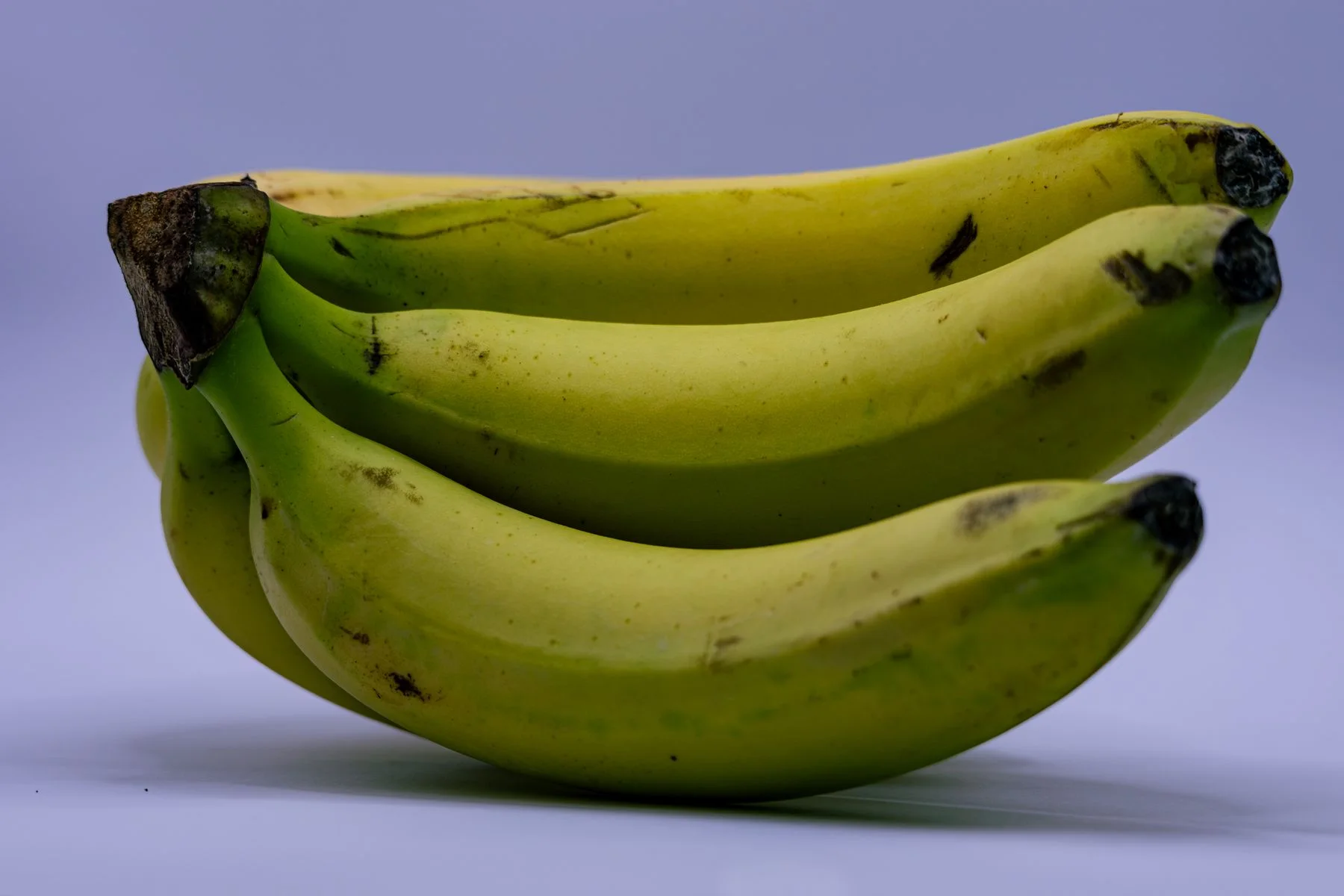
Look at the visible curve, the arrangement of the fruit and the parts hidden by neighbouring pieces. A photograph does not establish flavour, suitability or the full condition of a real product. Separate visible colour from the light falling on it. Familiarity with the subject should make your description clearer, not encourage an unsupported conclusion.
A closer look
For a small reading exercise, describe one image before comparing it with another. The angle and crop can alter the apparent proportions. If you need information about actual fruit handling, use the relevant current guidance. A visual comparison and a practical decision about produce are related questions, but they do not rely on the same evidence.
A practical sequence
- Describe the visible curve in plain words.
- Note which parts are obscured or cropped.
- Keep lighting effects separate from surface colour.
- Check real product information when making a practical choice.
A small example
You might write “several bananas arranged with their curves facing the same direction”. That says more about the image than a claim about sweetness would. Keep the description useful without inventing the history of the fruit or its location.
A note for later
End with one observed detail and one question. A stock photograph is an illustration, not a record of this project’s inventory or a product available at its correspondence address. Keeping that distinction visible helps the next reader understand what the image can support.