A starting point
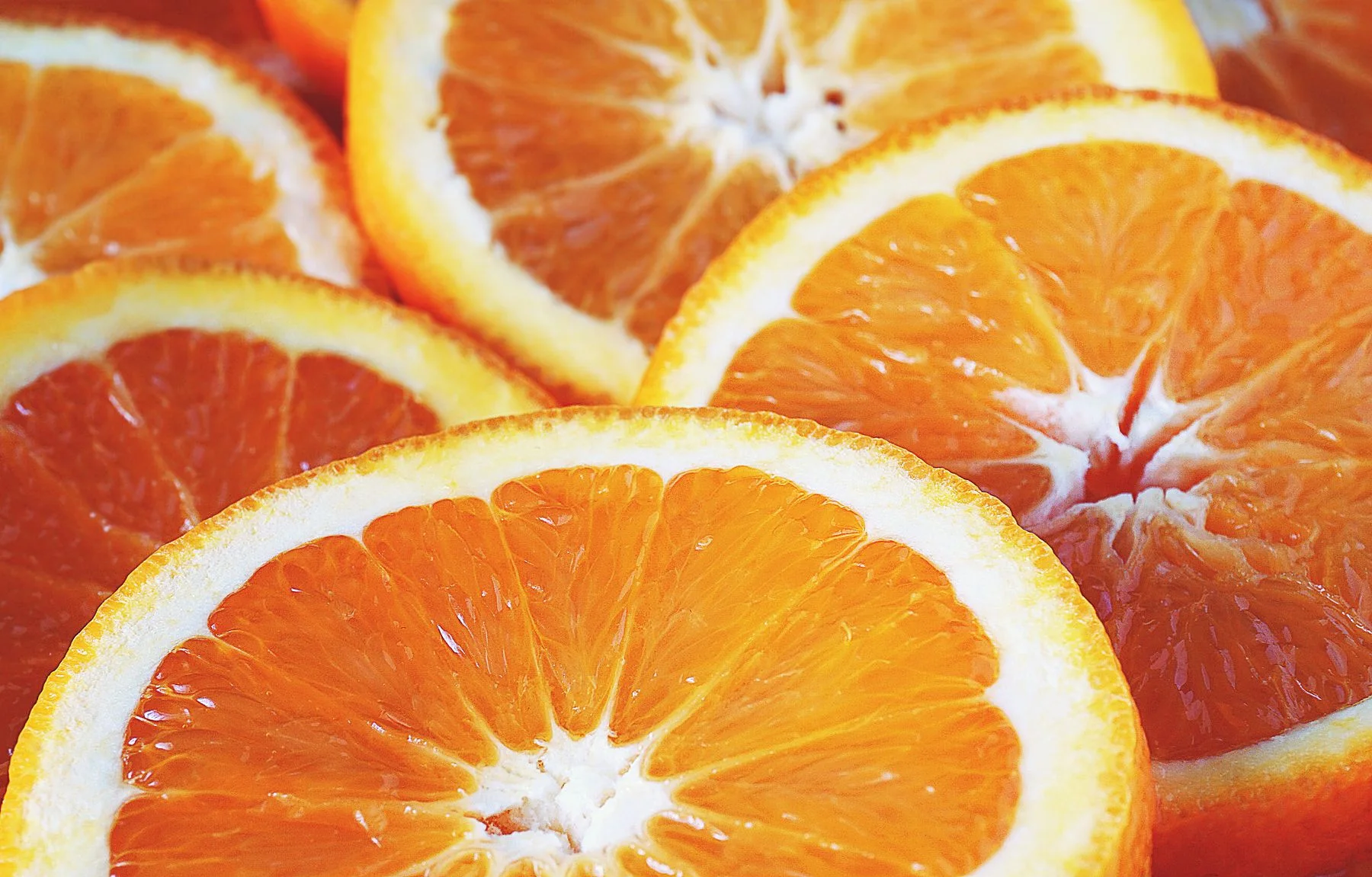
An image of citrus can reveal the outline of a cut, the visible segments and reflections on the surface. Describe each element separately. It does not establish flavour, origin or the suitability of another fruit. When you need those details for a real use, look for the relevant product information and appropriate current guidance.
A closer look
Compare two photographs only after noting their lighting and angle. A glossy reflection can change your impression of the surface, while the crop may conceal the peel or surrounding context. Keep known information in a different part of the record from visual observation. Missing details do not need an invented explanation.
A practical sequence
- Describe the visible outline of the cut.
- Record the arrangement of visible segments.
- Note lighting and crop limitations.
- Keep source-supported information on a separate line.
A small example
Write “a bright reflection on part of the cut surface” instead of declaring that the fruit is especially juicy. The first is a visual observation. The second needs evidence a stock image alone cannot provide. Precision can make a short caption more informative.
A note for later
Review the note after reading the appropriate source. Add only the detail that is actually supported and leave any remaining question visible. A clear boundary between seeing and knowing makes the record easier to correct when further information becomes available.